BRIDGE Project (2022–2027)
YIDO is currently partnering with War Child Canada, with funding from the Mastercard Foundation, to implement a five-year initiative known as the BRIDGE Project (2022–2027).
The project focuses on supporting refugee and host community youth in Uganda by creating pathways from secondary education and skills development to employment opportunities.
Implementation is taking place in Kamwenge District, specifically in:
- Rwamwanja Secondary School
- Ntenungi Secondary School
- Bwiizi Secondary School
YIDO’s core role in the BRIDGE Project is to drive awareness and community sensitization, ensuring that young people within both refugee settlements and host communities understand and benefit from the available educational and skills development opportunities.
Key Achievements and Core Activities
- YIDO has registered significant progress under the BRIDGE Project through the following six core areas:
- Establishment and Orientation of Community Structures
- Formation and training of Community Education Committees (CECs) and Youth Education Committees (YECs).
- Community Enrollment and Advocacy Campaigns
- Promoting school enrollment, with a strong emphasis on girls’ education, through community dialogues and engagement with local leaders.
Mother-to-Mother Support Initiatives
Facilitating peer support groups that advocate for and promote girl child education.
- Bi-Annual Coordination Meetings
- Bringing together key stakeholders including:
- Community Education Committees (CECs)
- School Management Committees
- District Education Offices (DEOs)
- Office of the Prime Minister (OPM)
- UNHCR and other education partners
- STEM and Entrepreneurship Development
- Training school-based clubs to enhance work readiness, transferable skills, and entrepreneurship, including linkages to BTVET programs.
Policy and Advocacy Engagement
- Supporting national and local education initiatives that promote inclusive, gender-transformative education systems.
- Community Education Committees (CECs)
Overview
- Community Education Committees (CECs) are volunteer groups drawn from both refugee and host communities. They play a vital role in overseeing education programs and ensuring that learners’ rights and needs are addressed.
- They work closely with school management structures such as Boards of Governors (BOG) and Parent-Teacher Associations (PTA).
Composition
CECs are inclusive and representative, typically comprising:
- School administrators, teachers, and staff
- Parents and caregivers
- Children and youth representatives
- Civil society and NGO representatives
- Religious and traditional leaders
- Health workers
- Political and opinion leaders
Members from diverse nationalities, including refugees and host communities
Inclusivity is key, ensuring representation of:
- Both genders
- Persons with disabilities (PWDs)
- Vulnerable and marginalized groups
Structure
Each CEC consists of 9 members, with gender balance:
- Chairperson
- Vice Chairperson
- Secretary (Centre Manager)
- Committee Members (6–8 representatives from different zones/blocks)
- Qualities of a CEC Member
- Members are expected to demonstrate:
- Commitment to volunteerism
- Integrity and good character
- Strong community reputation
- Role model behavior
- Active involvement in education (e.g., parent/guardian)
- Roles and Responsibilities
CECs are responsible for:
- Holding regular meetings and maintaining records
- Mobilizing community resources (financial and in-kind)
- Promoting inclusive, culturally sensitive education approaches
- Strengthening links between communities and education authorities
- Ensuring accountability in education service delivery
- Monitoring the quality of teaching and learning
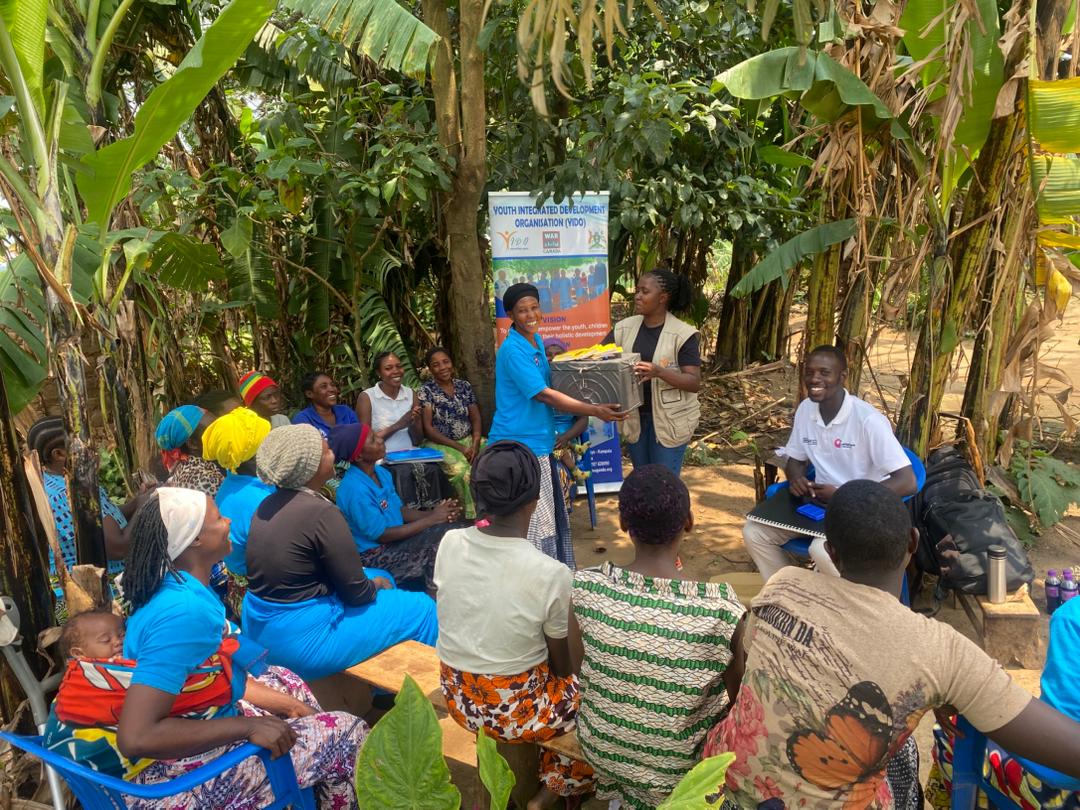
- Mother-to-Mother Support Groups
These groups provide a platform for mothers of both in-school and out-of-school girls to:
- Share parenting experiences and challenges
- Discuss their daughters’ education and future aspirations
- Identify and address barriers to girls’ education
- Over time, the groups evolve to:
- Offer mentorship to younger mothers
- Support income-generating initiatives linked to schools
- Serve as positive role models within the community
- Community outreach—including radio programs and local events—supports enrollment efforts.
- Importantly, the initiative also engages men and boys as champions of girls’ education, ensuring a balanced, inclusive approach while promoting women’s leadership.
Youth Education Committees (YECs)
- Youth Education Committees empower young people to actively participate in education advocacy, peer mobilization, and leadership within their communities.
STEM and Entrepreneurship Clubs
School-based STEM (Science, Technology, Engineering, and Mathematics) and entrepreneurship clubs equip students with:
- Practical, real-world skills
- Innovation and problem-solving abilities
- Entrepreneurial mindsets
- These clubs play a critical role in preparing youth for employment, self-reliance, and future opportunities.